
Products Description
I. Product Positioning and Core Functions
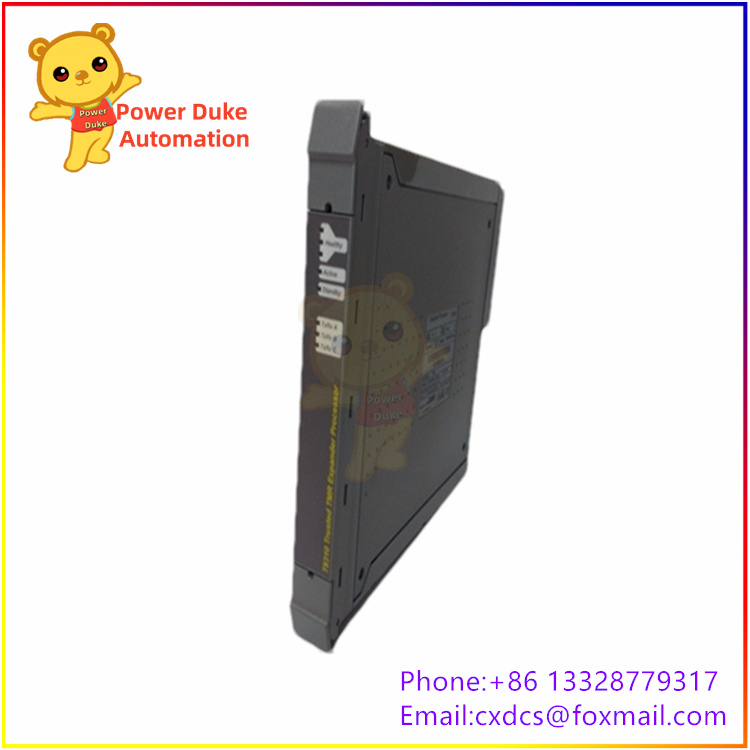
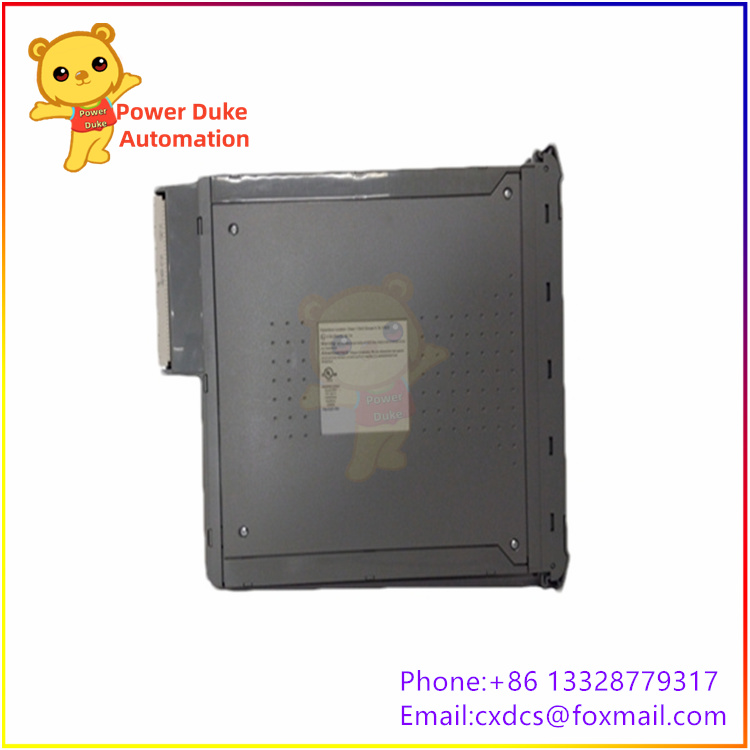
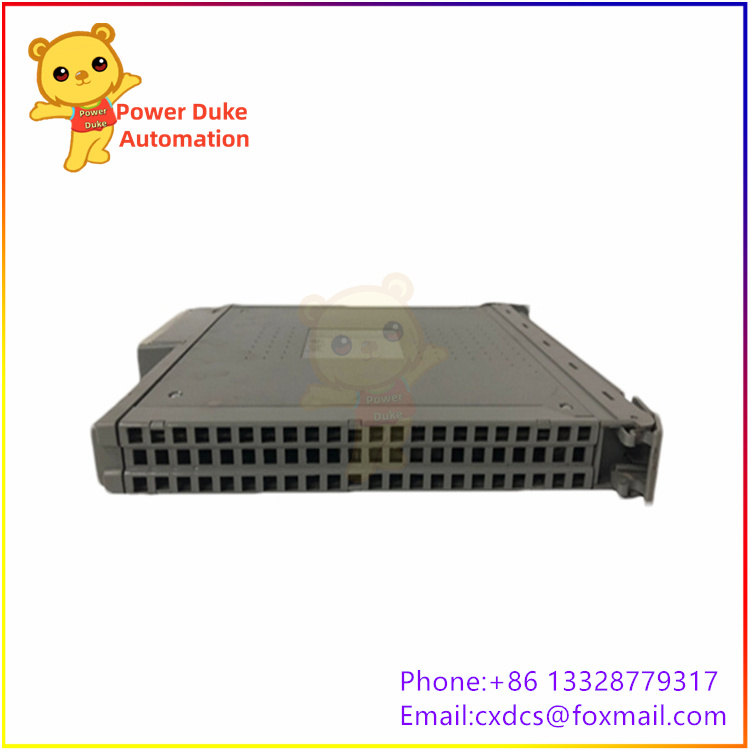
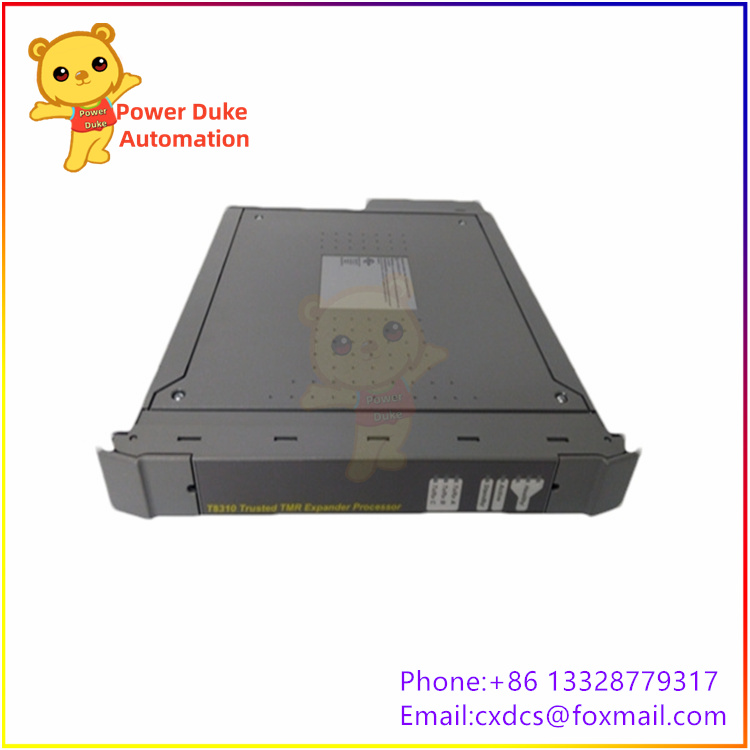
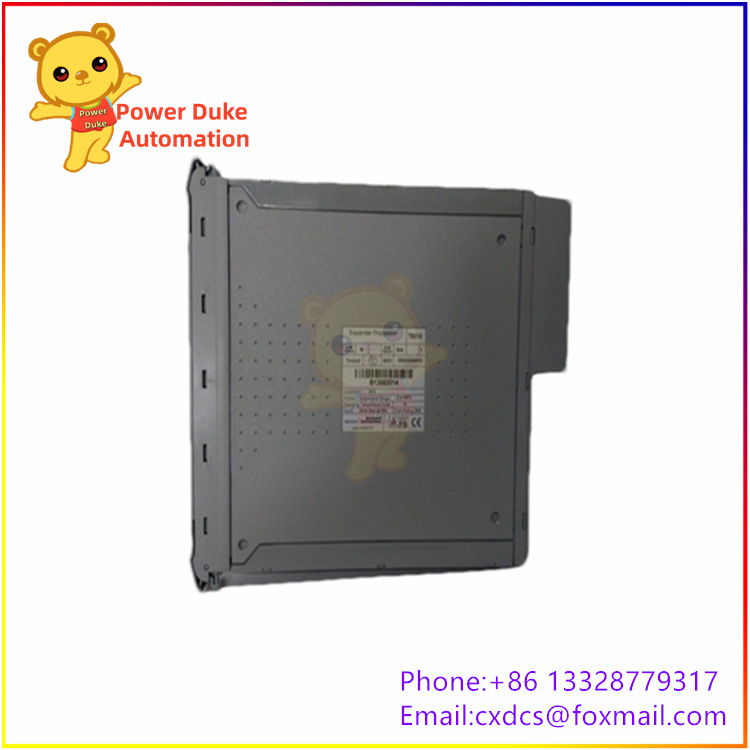
ICS TRIPLEX T8310 is a high-performance industrial automation control module produced by the ICS Triplex brand under Emerson. It is specially designed for complex industrial environments and possesses the following core functions:
Triple Redundancy Architecture (TMR)
This architecture, implemented with hardware, is a fault-tolerant (HIFT) design that employs three independent modules to execute the same control logic, enabling "3-2-0" fault-tolerant operation (that is, when a single module fails, the system can still operate in a dual-module mode, ensuring uninterrupted control output).
It supports hot-swapping functionality, allowing faulty modules to be replaced while the system is powered on, without the need for downtime for maintenance.
High-performance processing capability
By integrating hardware and software, it supports complex control algorithms and real-time task processing, meeting the requirements for high-precision control.
It provides multiple-channel digital input/output (I/O), enabling flexible connection of sensors and actuators, and adapting to different industrial scenarios.
Open communication and scalability
It supports various industrial communication protocols (such as Ethernet, serial communication), and is compatible with open interfaces like OPC servers, facilitating integration with other systems (such as DCS, SCADA).
It can be expanded to a multi-rack system, connected via unshielded twisted-pair (UTP) cables, to achieve high-bandwidth module-to-module bus (IMB) functionality.
High reliability and security
It has undergone rigorous environmental adaptability tests and can operate stably for a long time in harsh industrial environments (such as high temperatures, vibrations, and electromagnetic interference).
It provides fault diagnosis, monitoring, and testing functions, supporting rapid fault identification and automatic handling, reducing maintenance costs.
Typical application scenarios
Oil and gas industry
Used for equipment control and monitoring in the processes of oil and gas production, processing and transportation, such as drilling platforms, refineries, natural gas pipelines, etc.
By adopting redundant design, the risk of production interruption caused by equipment failures is reduced.
Chemical and pharmaceutical industry
Control chemical reaction processes, automate production lines, and ensure precise regulation of process parameters (such as temperature, pressure, flow rate).
Support the automatic control and quality monitoring of pharmaceutical production lines.
Electricity industry
Used for equipment control and protection in power plants, substations and power grid dispatching systems, improving the stability and reliability of the power system.
Transportation system
Coordinate traffic signal control, railway system signal management, optimize traffic flow, and enhance transportation efficiency.
Aerospace field
Control critical systems such as navigation and power of aircraft to ensure flight safety.
Mining and marine engineering
Monitor mining equipment and operations of marine platforms, meeting the requirements for stable operation in extreme environments.